
Termites are often referred to as the ‘silent destroyers’ of the pest world. They can cause significant damage to homes and buildings, particularly in regions like Sydney, where the climate is conducive to their activity. Unfortunately, many residents tend to overlook the early signs of a termite infestation, leading to costly repairs and extensive damage. This article aims to shed light on the common indicators of termite presence that Sydney residents should be vigilant about.
Understanding Termite Behaviour
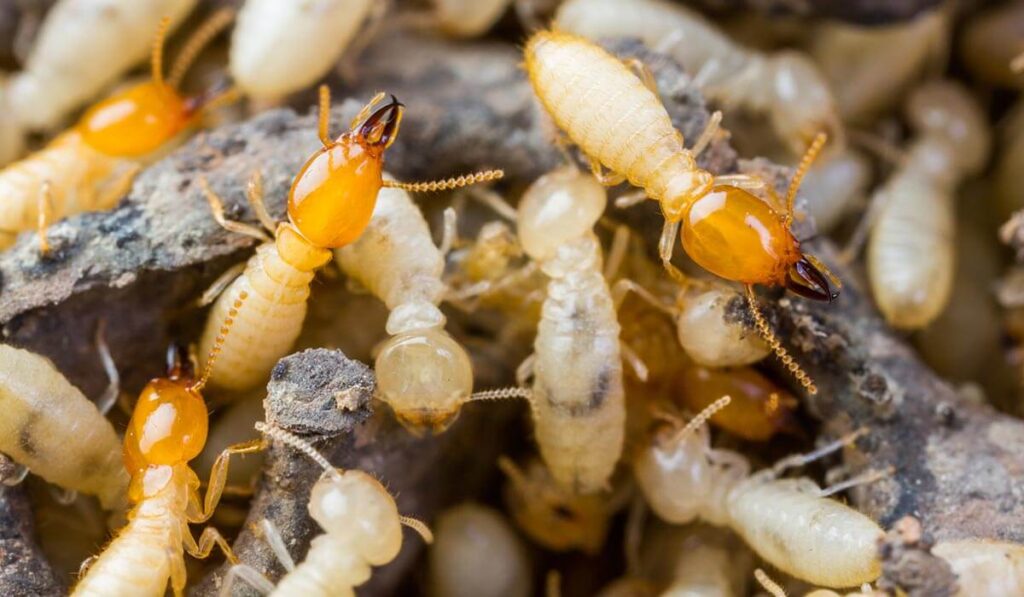
Before diving into the indicators of termite infestations, it is essential to understand their behaviour. Termites are social insects that live in colonies, and their primary goal is to find food and shelter. They primarily feed on cellulose, which is found in wood, paper, and other plant materials. This diet makes wooden structures particularly susceptible to their destructive tendencies. Interestingly, termite control sydney play a vital role in the ecosystem by breaking down dead plant material, recycling nutrients back into the soil. This natural process contributes to soil health and promotes new plant growth, showcasing the duality of their existence as both beneficial organisms and potential pests.
Termites thrive in warm, moist environments, making Sydney an ideal habitat. They can enter homes through tiny cracks and crevices, often going unnoticed until significant damage has occurred. The subtropical climate of Sydney, with its seasonal humidity, creates a perfect breeding ground for these insects. Understanding their behaviour can help residents identify the signs of an infestation before it escalates. For instance, termites communicate through pheromones, which can lead them to food sources and alert others in the colony about potential threats. This complex social structure means that a small group of termites can quickly multiply, making early detection crucial for homeowners.
Types of Termites in Sydney
In Sydney, there are several species of termites, but the most common include the Eastern Subterranean termite and the Drywood termite. Each type has distinct behaviours and signs of infestation. While subterranean termites build their colonies underground and can create mud tubes to access food sources, drywood termites often infest wooden structures directly, leading to different indicators of their presence. Subterranean termites are particularly notorious for their ability to cause extensive damage, as they can remain hidden beneath the surface for years, silently consuming wood. In contrast, drywood termites tend to leave behind small pellets of faecal matter, which can serve as a telltale sign of their activity. Understanding these differences is essential for effective pest management and prevention strategies.
Common Indicators of Termite Infestation
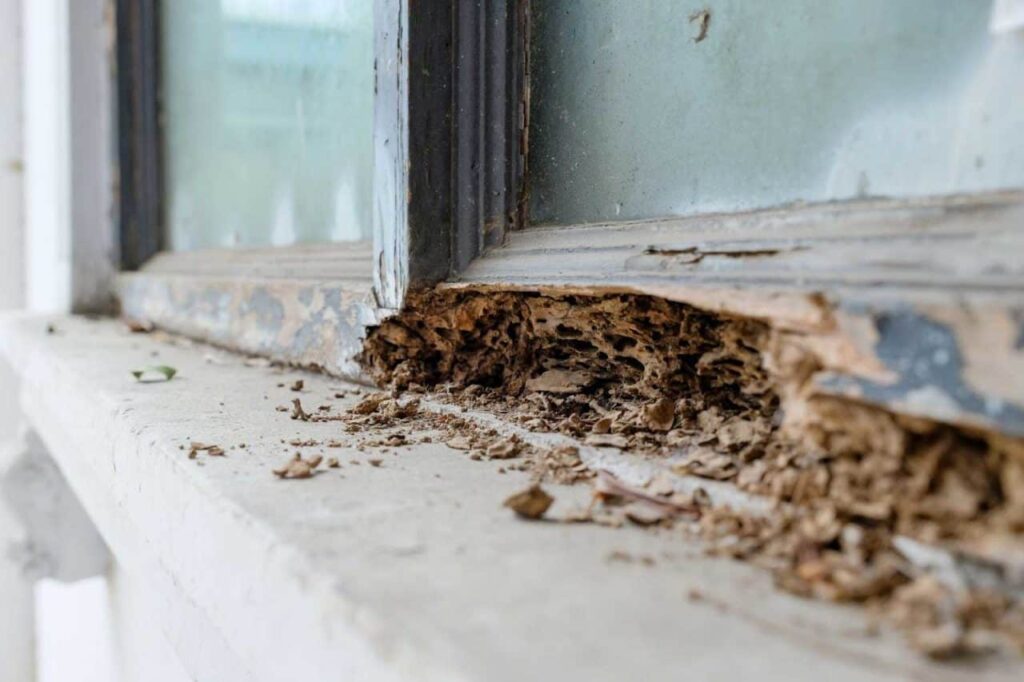
Recognising the signs of a termite infestation early can save homeowners from extensive damage and costly repairs. Here are some of the most common indicators that Sydney residents should be aware of:
1. Mud Tubes
One of the most telling signs of subterranean termite activity is the presence of mud tubes. These tubes are constructed by termites to provide protection as they travel between their underground colonies and food sources. Typically, they are found along foundations, walls, or in crawl spaces. The tubes are about the width of a pencil and are made from soil, wood, and termite saliva.
When inspecting for mud tubes, look for any irregularities along the foundation of your home. If you find these structures, it is crucial to act quickly, as they indicate that termites are actively seeking food sources within your property.
2. Hollow Sounding Wood
If you suspect that termites are present in your home, tapping on wooden structures can provide valuable clues. Healthy wood produces a solid sound when tapped, while wood that has been damaged by termites often sounds hollow. This is because termites consume the wood from the inside out, leaving only a thin layer of wood on the exterior.
To check for hollow-sounding wood, use a screwdriver or a similar tool to tap on wooden beams, floorboards, and furniture. If you hear a hollow sound, it may indicate that termites have infested that area. It is advisable to seek professional help if you discover hollow wood.
Other Subtle Signs of Termite Activity
Aside from the more obvious indicators, there are several subtle signs of termite activity that residents might overlook. Being aware of these can help in early detection.
3. Discarded Wings
During the reproductive season, termites swarm to establish new colonies. After mating, they shed their wings, which can often be found near windowsills or doors. Finding a pile of discarded wings is a clear sign that termites are present in or around your home.
It is essential to monitor these areas, especially during the warmer months when swarming is most likely to occur. If you notice discarded wings, it is advisable to conduct a thorough inspection of your property for other signs of infestation.
4. Frass (Termite Droppings)
Frass, or termite droppings, is another indicator of an infestation. These droppings resemble small pellets and can often be found near infested wood. Different species of termites produce different types of frass, but it is generally a sign that termites are actively feeding on the wood in your home.
Finding frass should prompt immediate action, as it indicates that termites are present and potentially causing damage. It is wise to have a professional pest control service assess the situation. Read more about identifying termites at http://extension.msstate.edu/content/signs-termite-infestation
Environmental Factors to Consider
Several environmental factors can increase the likelihood of termite infestations. Understanding these can help residents take preventative measures to protect their homes.
5. Moisture and Humidity
Termites thrive in moist environments, so areas of your home that are prone to dampness are particularly vulnerable. Leaky pipes, poor drainage, and humidity can create ideal conditions for termites to flourish. Regularly inspect areas such as basements, crawl spaces, and around plumbing fixtures for signs of moisture.
To reduce the risk of termite infestations, ensure that your home is well-ventilated and that any leaks are promptly repaired. Additionally, using dehumidifiers in damp areas can help deter termites.
6. Wood-to-Soil Contact
Wood that is in direct contact with soil provides an easy entry point for termites. This includes wooden decks, fence posts, and even structural wood that is embedded in the ground. To minimise risk, ensure that wooden structures are elevated and not in direct contact with the soil.
Regularly inspect these areas for signs of termite activity, and consider using treated wood or barriers to deter termites from accessing your home.
Preventative Measures to Consider
While recognising the signs of termite infestations is crucial, taking preventative measures is equally important. Here are some strategies that can help protect homes from termite damage:
7. Regular Inspections
Conducting regular inspections of your home can help identify potential issues before they escalate. It is advisable to inspect your property at least once a year for signs of termite activity. Look for mud tubes, hollow-sounding wood, and any signs of moisture or wood-to-soil contact.
Engaging a professional pest control service for an annual inspection can provide peace of mind and ensure that your home remains termite-free.
8. Landscaping Considerations
Landscaping can significantly impact the likelihood of termite infestations. Avoid planting trees and shrubs too close to your home’s foundation, as this can provide a direct pathway for termites. Additionally, keep mulch and wood piles away from the house, as these can attract termites.
Consider using gravel or concrete barriers in landscaping to deter termites from approaching your home. Proper landscaping not only enhances the aesthetic appeal of your property but also serves as a protective measure against pests. Click here to learn about preventative measures for termites.
Conclusion
Termites pose a significant threat to homes in Sydney, and being aware of the common indicators of infestation is essential for homeowners. By recognising signs such as mud tubes, hollow-sounding wood, and discarded wings, residents can take proactive measures to protect their properties. Additionally, understanding the environmental factors that contribute to termite activity and implementing preventative strategies can help mitigate the risk of infestations.
Regular inspections and prompt action upon discovering signs of termites can save homeowners from costly repairs and extensive damage. Stay alert and informed, and your home can remain a safe and secure haven, free from the threat of termites.
Related : Choosing the Best Termite Pest Control Sydney Has to Offer