Stay Alert: Common Indicators of Termite Sydney Residents Often Overlook

Stay Alert: Common Indicators of Termite Sydney Residents Often Overlook

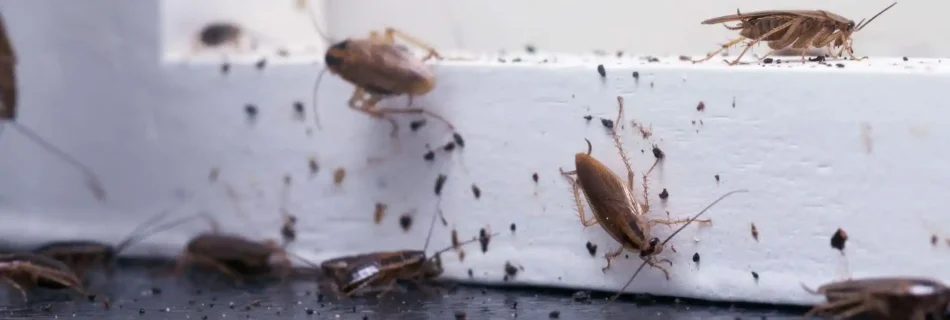
Termites are often referred to as the ‘silent destroyers’ of the pest world. They can cause significant damage to homes and buildings, particularly in regions like Sydney, where the climate is conducive to their activity. Unfortunately, many residents tend to overlook the early signs of a termite infestation, leading to costly repairs and extensive damage. This article aims to shed light on the common indicators of termite presence that Sydney residents should be vigilant about. Understanding Termite Behaviour Before diving into the indicators of termite infestations, it is essential to understand their behaviour. Termites are social insects that live in colonies, and their primary goal is to find food and shelter. They primarily feed on cellulose, which is found in wood, paper, and other plant materials. This diet makes wooden structures particularly susceptible to their destructive tendencies. Interestingly, termite control sydney play a vital role in the ecosystem by breaking down dead plant material, recycling nutrients back into the soil. This natural process contributes to soil health and promotes new plant growth, showcasing the duality of their existence as both beneficial organisms and potential pests. Termites thrive in warm, moist environments, making Sydney an ideal habitat. They can enter homes through tiny cracks and crevices, often going unnoticed until significant damage has occurred. The subtropical climate of Sydney, with its seasonal humidity, creates a perfect breeding ground for these insects. Understanding their behaviour can help residents identify the signs of an infestation before it escalates. For instance, termites communicate through pheromones, which can lead them to food sources and alert others in the colony about potential threats. This complex social structure means that a small group of termites can quickly multiply, making early detection crucial for homeowners. Types of Termites in Sydney In Sydney, there are several species of termites, but the most common include the Eastern Subterranean termite and the Drywood termite. Each type has distinct behaviours and signs of infestation. While subterranean termites build their colonies underground and can create mud tubes to access food sources, drywood termites often infest wooden structures directly, leading to different indicators of their presence. Subterranean termites are particularly notorious for their ability to cause extensive damage, as they can remain hidden beneath the surface for years, silently consuming wood. In contrast, drywood termites tend to leave behind small pellets of faecal matter, which can serve as a telltale sign of their activity. Understanding these differences is essential for effective pest management and prevention strategies. Common Indicators of Termite Infestation Recognising the signs of a termite infestation early can save homeowners from extensive damage and costly repairs. Here are some of the most common indicators that Sydney residents should be aware of: 1. Mud Tubes One of the most telling signs of subterranean termite activity is the presence of mud tubes. These tubes are constructed by termites to provide protection as they travel between their underground colonies and food sources. Typically, they are found along foundations, walls, or in crawl spaces. The tubes are about the width of a pencil and are made from soil, wood, and termite saliva. When inspecting for mud tubes, look for any irregularities along the foundation of your home. If you find these structures, it is crucial to act quickly, as they indicate that termites are actively seeking food sources within your property. 2. Hollow Sounding Wood If you suspect that termites are present in your home, tapping on wooden structures can provide valuable clues. Healthy wood produces a solid sound when tapped, while wood that has been damaged by termites often sounds hollow. This is because termites consume the wood from the inside out, leaving only a thin layer of wood on the exterior. To check for hollow-sounding wood, use a screwdriver or a similar tool to tap on wooden beams, floorboards, and furniture. If you hear a hollow sound, it may indicate that termites have infested that area. It is advisable to seek professional help if you discover hollow wood. Other Subtle Signs of Termite Activity Aside from the more obvious indicators, there are several subtle signs of termite activity that residents might overlook. Being aware of these can help in early detection. 3. Discarded Wings During the reproductive season, termites swarm to establish new colonies. After mating, they shed their wings, which can often be found near windowsills or doors. Finding a pile of discarded wings is a clear sign that termites are present in or around your home. It is essential to monitor these areas, especially during the warmer months when swarming is most likely to occur. If you notice discarded wings, it is advisable to conduct a thorough inspection of your property for other signs of infestation. 4. Frass (Termite Droppings) Frass, or termite droppings, is another indicator of an infestation. These droppings resemble small pellets and can often be found near infested wood. Different species of termites produce different types of frass, but it is generally a sign that termites are actively feeding on the wood in your home. Finding frass should prompt immediate action, as it indicates that termites are present and potentially causing damage. It is wise to have a professional pest control service assess the situation. Read more about identifying termites at http://extension.msstate.edu/content/signs-termite-infestation Environmental Factors to Consider Several environmental factors can increase the likelihood of termite infestations. Understanding these can help residents take preventative measures to protect their homes. 5. Moisture and Humidity Termites thrive in moist environments, so areas of your home that are prone to dampness are particularly vulnerable. Leaky pipes, poor drainage, and humidity can create ideal conditions for termites to flourish. Regularly inspect areas such as basements, crawl spaces, and around plumbing fixtures for signs of moisture. To reduce the risk of termite infestations, ensure that your home is well-ventilated and that any leaks are promptly repaired. Additionally, using dehumidifiers in damp areas can help deter termites. 6. Wood-to-Soil Contact Wood that is in direct contact with soil provides an easy entry point for …

Choosing the Best Termite Pest Control Sydney Has to Offer

Choosing the Best Termite Pest Control Sydney Has to Offer

Termites are often referred to as the silent destroyers, as they can cause significant damage to homes and properties without any visible signs until it’s too late. In Sydney, where the climate is conducive to termite activity, it is crucial for homeowners to be proactive in protecting their properties. This article aims to guide you through the process of selecting the best termite pest control services in Sydney, ensuring that your home remains safe and secure. Understanding Termite Infestations Before delving into pest control options, it is essential to understand what termites sydney are and how they operate. Termites are social insects that live in colonies, feeding primarily on wood and other cellulose materials. Their presence can lead to severe structural damage, which can be both costly and time-consuming to repair. With their remarkable ability to consume wood, termites play a crucial role in nature by breaking down dead trees and recycling nutrients back into the soil. However, this beneficial aspect turns detrimental when they invade human habitats, where they can cause extensive damage to homes and buildings. Types of Termites In Australia, there are several species of termites, with the most common being the Eastern Subterranean termite and the Formosan termite. Each species has its own behaviour patterns and preferences for nesting and feeding, which can influence the pest control methods required. Understanding the specific characteristics of these termites can aid homeowners in recognising potential threats and implementing preventative measures. Eastern Subterranean termites are notorious for their ability to create extensive underground tunnels, which can lead them directly to the wooden structures of your home. These tunnels, often referred to as “foraging tunnels,” allow them to efficiently navigate through the soil in search of food. On the other hand, Formosan termites are known for their aggressive nature and large colonies, making them particularly challenging to manage. They can consume wood at an alarming rate, and their colonies can consist of millions of individuals, which significantly increases the likelihood of severe damage if left unchecked. Signs of Infestation Recognising the signs of a termite infestation is vital for early intervention. Homeowners should be vigilant for the following indicators: Wood that sounds hollow when tapped. Frass (termite droppings) resembling sawdust. Swarmers or discarded wings near windows and doors. Visible mud tubes along walls or foundations. If any of these signs are observed, it is advisable to contact a pest control professional immediately to assess the situation. In addition to these signs, homeowners should also be aware of any unexplained structural changes, such as sagging floors or ceilings, which may indicate a more severe infestation. Regular inspections, especially in areas prone to moisture, can help identify potential problems before they escalate into costly repairs. Furthermore, maintaining proper ventilation and reducing wood-to-soil contact around your property can significantly decrease the likelihood of termite invasions. Choosing a Pest Control Company When it comes to selecting a termite pest control company in Sydney, several factors should be considered to ensure you receive the best service possible. Experience and Expertise It is crucial to choose a pest control company with extensive experience in dealing with termite infestations. Companies that have been in the industry for several years are likely to have encountered a wide range of situations and developed effective strategies for managing them. Look for certifications and memberships in professional organisations, which can indicate a commitment to ongoing training and best practices. Methods of Treatment Different pest control companies may offer various treatment methods, including chemical treatments, baiting systems, and physical barriers. Understanding these methods can help you make an informed decision: Chemical Treatments: These involve applying insecticides to the soil around your home to create a barrier against termites. Baiting Systems: These systems use bait stations placed around the property, which attract termites and eliminate them over time. Physical Barriers: Installing physical barriers during construction can prevent termites from entering your home in the first place. Each method has its advantages and disadvantages, and a reputable pest control company will be able to recommend the best approach based on your specific situation. Read more about methods to control termites at http://extension.msstate.edu/content/methods-termite-control Cost Considerations The cost of termite pest control can vary significantly depending on the size of the infestation, the methods used, and the company you choose. It is essential to obtain multiple quotes from different providers to ensure you are getting a fair price. Factors Affecting Cost Several factors can influence the overall cost of termite treatment, including: The extent of the infestation. The size of your property. The type of treatment chosen. Any additional services, such as follow-up inspections or preventative measures. While it may be tempting to choose the cheapest option, it is crucial to consider the quality of service and the reputation of the company as well. Long-term Investment Investing in termite pest control is not merely an expense; it is a long-term investment in the safety and integrity of your home. The costs associated with repairing termite damage can far exceed the initial investment in preventative measures. Therefore, it is wise to consider pest control as a necessary part of home maintenance. Preventative Measures Prevention is always better than cure, especially when it comes to termite infestations. Implementing preventative measures can significantly reduce the risk of termites invading your home. Regular Inspections Scheduling regular inspections with a pest control professional can help identify potential issues before they escalate. Most experts recommend annual inspections, particularly in areas prone to termite activity. During these inspections, professionals can assess the property for signs of infestation and recommend any necessary treatments. Home Maintenance Proper home maintenance is another crucial aspect of preventing termite infestations. Homeowners should: Ensure that gutters and downspouts are functioning correctly to prevent water accumulation. Seal any cracks or gaps in the foundation and walls. Store firewood and other cellulose materials away from the home. Maintain proper ventilation in crawl spaces and attics. By taking these steps, homeowners can create an environment that is less conducive to termite activity. To learn more …

Best Tree Removal Services in Sydney

A Guide to the Best Tree Removal Services in Sydney

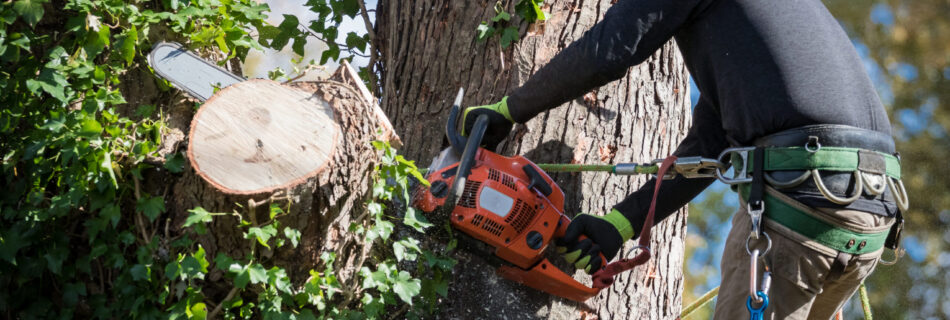
If you live in Sydney, you might have noticed how crucial trees are for our urban landscape. However, there are times when tree removal becomes necessary—be it for safety reasons, to make way for new construction, or simply because a tree has become too large or unhealthy. In this guide, we will delve into understanding the need for tree removal services and explore how to choose the best one for your needs. Understanding the need for tree removal services Tree removal services are essential in maintaining the health and aesthetics of your property. Often, a tree may pose a risk to surrounding structures or individuals, particularly if it shows signs of disease, decay, or damage from storms. Knowing when to call in the experts can save you from potential hazards and expenses. Additionally, trees that are overgrown can obstruct sunlight from reaching your garden, affecting the growth of other plants and flowers. This not only detracts from the beauty of your outdoor space but can also hinder the overall biodiversity of your garden ecosystem. The importance of professional tree removal Hiring a professional tree removal service ensures that the job is done safely and efficiently. These experts possess the necessary skills, equipment, and knowledge to handle the complexities involved in the removal process. Moreover, they can assess the tree’s condition and provide proper recommendations tailored to your situation. Professional services often include a thorough evaluation of the surrounding landscape, which can help in planning for future planting or landscaping projects. They can also advise on the best practices for maintaining the health of remaining trees, ensuring that your garden remains vibrant and flourishing. Risks associated with DIY tree removal While the idea of saving a few dollars may seem appealing, attempting to remove a tree yourself can be highly risky. Kudos to DIY enthusiasts, but tree removal can lead to injuries or property damage if not executed correctly. If not handled properly, falling branches can result in severe injuries, and you may also encounter legal issues if the tree is on shared property. Furthermore, without the right tools and knowledge, you might inadvertently damage nearby plants or structures, leading to more extensive repairs and costs. It’s also worth noting that some trees may require permits for removal, and failing to adhere to local regulations can result in fines or legal action. Key factors to consider when choosing a tree removal service When selecting a tree removal service, it’s not just about picking the one with the lowest price. There are several factors to consider to ensure that you’re making the right choice. Checking for qualifications and experience Start by checking the qualifications and experience of the tree removal service you are considering. Look for certifications from recognised organisations that signify they adhere to industry standards. An experienced team is better equipped to manage various challenges that may arise during the removal process. Assessing the company’s safety measures Safety should always be a top priority when it comes to tree removal. Make sure the company you choose has robust safety measures in place. This includes the use of personal protective equipment (PPE) for their workers and proper safety protocols to prevent accidents. A service that prioritises safety will also provide peace of mind for you as a homeowner. Comparing costs and value for money Price is undoubtedly a significant factor, but it’s essential to look beyond just the numbers. Request detailed quotes that outline what is included—such as removal, clean-up, and any additional services like stump grinding. Comparing these factors will help you assess whether you’re receiving good value for your investment. Overview of top tree removal services in Sydney In Sydney, the tree removal market is vast, with numerous companies claiming to offer the best services. It’s crucial to do your research to find a reliable and reputable service that meets your specific needs. Service offerings and specialities Each tree removal service may specialise in different types of work. Some may focus solely on residential tree removal, while others might offer additional services such as landscaping, pruning, and stump grinding. Knowing what each company offers can help you determine if they can cater to all your tree-related needs. Learn more about finding reliable tree pruning near me for your yard. Customer reviews and ratings One effective way to gauge the reliability of a tree removal service is by checking customer reviews and ratings. Websites like Google Reviews, Yelp, or social media can provide insights into the experiences of previous clients. Positive feedback is usually a good indicator of a company’s service quality. The process of tree removal Understanding the process of tree removal can help you feel more at ease when hiring professionals. The procedure is generally streamlined and involves a few crucial steps. Initial assessment and quotation Initially, the tree removal service will conduct an assessment of your tree to determine its condition and the best method for removal. They will measure the tree, inspect its surroundings, and discuss potential hazards. After the assessment, you will receive a quotation that details the costs involved and the proposed timeline. The removal process explained The actual removal process may vary according to the tree’s size and location. Generally, the service will use specialised equipment to cut down the tree in sections, ensuring safety and efficiency. Following the removal, the team will clean up debris and, if requested, grind the stump down to ground level. Post-removal care and maintenance The removal of a tree doesn’t mean your responsibilities end there. Proper post-removal care is vital for maintaining your property’s appearance and health. Stump grinding and removal Once a tree has been removed, its stump will likely remain. Stump grinding is a common service to ensure the stump is eliminated efficiently. Professionals will use specialised machinery to grind the stump down to below ground level, allowing you to replant or landscape the area. Tips for tree care post-removal After a tree is removed, you may want to consider replanting in its place …

Tree Removal Cost Sydney

How to Choose the Best Tree Removal Company Near You

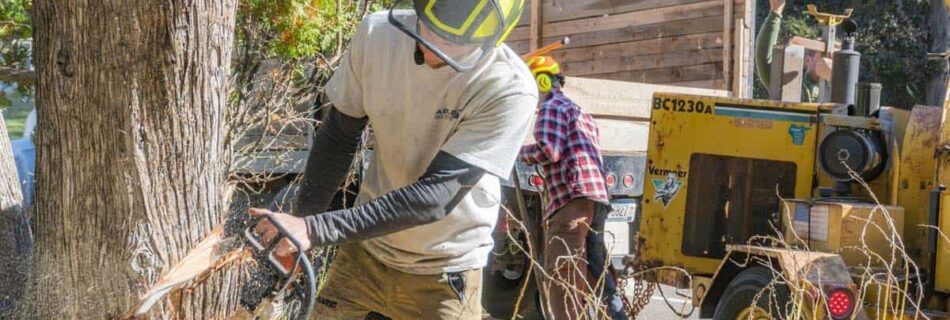
Trees add immense value to any property by enhancing its aesthetic appeal, providing shade, and supporting the ecosystem. However, there are times when removing a tree becomes necessary for safety, health, or property management reasons. Choosing the right tree removal company is essential to ensure the task is handled safely, efficiently, and professionally. This guide will help you identify the best service provider for your needs, saving you time, money, and stress. Why Hiring a Professional Tree Removal Company Is Important Removing a tree might seem like a straightforward task, but it’s far from simple. The process involves advanced equipment, technical expertise, and an understanding of safety protocols. Attempting to handle tree removal on your own can lead to accidents, property damage, and even legal liabilities. For a clearer understanding of how professional tree removal services ensure safe and efficient outcomes, click here. Hiring a tree removal company ensures the job is done correctly and safely. These professionals are trained to assess the condition of the tree, determine the safest removal method, and manage the disposal process. Additionally, many companies offer complementary services, such as stump grinding and land clearing, providing a one-stop solution for your landscaping needs. Steps to Choose the Best Tree Removal Company Finding the right tree removal company can feel overwhelming, especially with so many options available. Follow these steps to ensure you hire a reliable and reputable service provider: 1. Research Local Companies Start by researching companies in your area. Search online for reviews, ask for recommendations from friends or neighbors, and explore local business directories. Hiring a local company has the added benefit of quicker response times and familiarity with regional regulations. 2. Check Credentials and Certifications A professional tree removal company should hold the necessary licenses and certifications to operate in your area. Look for companies accredited by organizations like the International Society of Arboriculture (ISA) or the Tree Care Industry Association (TCIA). These certifications demonstrate a commitment to quality and adherence to industry standards. 3. Verify Insurance Coverage Tree removal is a high-risk activity, so ensuring the company has adequate insurance is crucial. Ask for proof of liability insurance and workers’ compensation coverage. This protects you from being held responsible for any damages or injuries that might occur during the job. 4. Read Reviews and Testimonials Customer reviews and testimonials can provide valuable insights into a company’s reliability and quality of service. Look for feedback on platforms like Google, Yelp, or the Better Business Bureau. A reputable company will have consistently positive reviews and a willingness to address any negative feedback. 5. Request Multiple Quotes Contact several companies to request detailed quotes for your project. Be wary of estimates that are significantly lower than others, as this could indicate a lack of experience or hidden costs. Comparing quotes will help you understand the average market rate and ensure you’re getting a fair deal. Key Factors to Consider When Choosing a Tree Removal Company Once you’ve shortlisted a few potential providers, evaluate them based on the following criteria: 1. Experience and Expertise Experience is one of the most important factors when selecting a tree removal company. A company with years of experience is more likely to handle complex jobs efficiently and safely. Ask about the team’s qualifications, past projects, and familiarity with various tree species and removal techniques. 2. Range of Services A good tree removal company should offer a comprehensive range of services, including: 3. Safety Standards Safety should be a top priority for any tree removal company. Ask about their safety protocols, equipment maintenance routines, and whether they conduct regular staff training. A company that prioritizes safety will reduce the risk of accidents and property damage. 4. Equipment and Technology Modern tree removal requires advanced tools and equipment. Ensure the company uses up-to-date machinery and techniques to complete the job efficiently. Equipment such as cranes, stump grinders, and chippers can significantly enhance the quality and speed of the work. 5. Environmental Responsibility Tree removal can impact the environment, so it’s important to choose a company that follows eco-friendly practices. Ask if they recycle wood, donate usable lumber, or offer replanting services to mitigate the environmental impact. Questions to Ask a Tree Removal Company Before hiring a tree removal company, ask these essential questions to ensure they’re the right fit: Common Red Flags to Avoid While many companies are trustworthy, some may not operate with your best interests in mind. Watch out for these warning signs: Benefits of Hiring the Right Tree Removal Company Working with a professional tree removal company offers several advantages: How Much Does Tree Removal Cost? The cost of hiring a tree removal company can vary based on factors such as the size and condition of the tree, its location, and the complexity of the job. On average, you can expect to pay between $150 and $1,500 per tree. Always request a detailed estimate to understand what’s included in the price. Why Local Tree Removal Companies Are the Best Choice Choosing a local tree removal company has unique benefits. These providers are familiar with regional tree species, soil conditions, and weather challenges. They can also respond quickly to emergencies, such as storm-damaged trees that pose immediate risks. Conclusion Selecting the right tree removal company is a critical decision that can save you time, money, and stress. By researching local options, verifying credentials, and evaluating their expertise, you can find a trusted partner to handle your tree removal needs. Remember, a professional tree removal company not only ensures the job is done safely and efficiently but also enhances the overall health and appearance of your property. Take your time, ask the right questions, and choose wisely for a hassle-free experience. See Also: The ultimate guide to choosing the right tree stump grinder for your property.