Tree Lopping Sydney: The Term Everyone Uses and Almost Nobody Defines

Tree Lopping Sydney: The Term Everyone Uses and Almost Nobody Defines

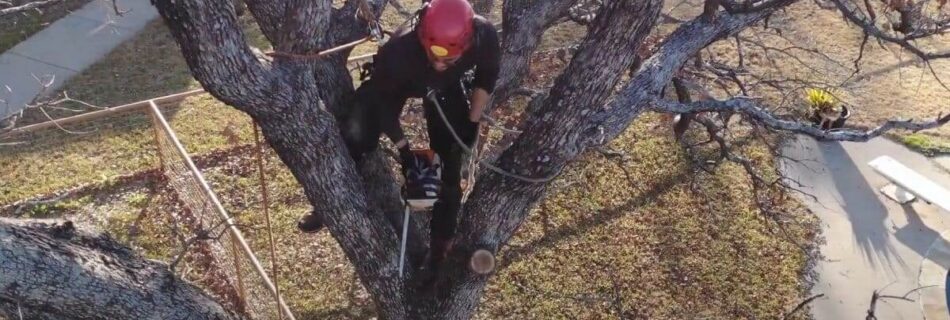
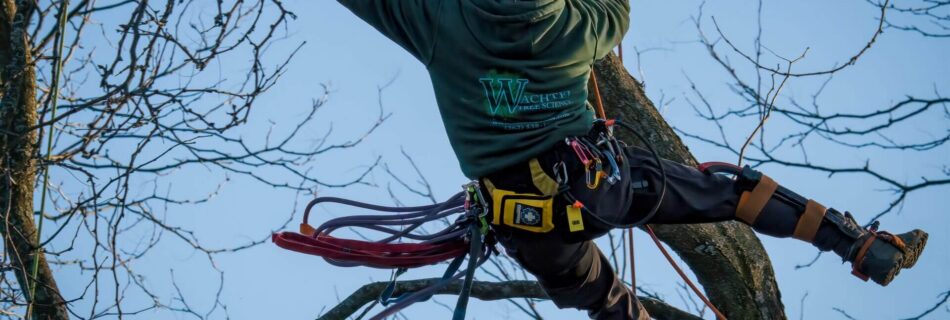
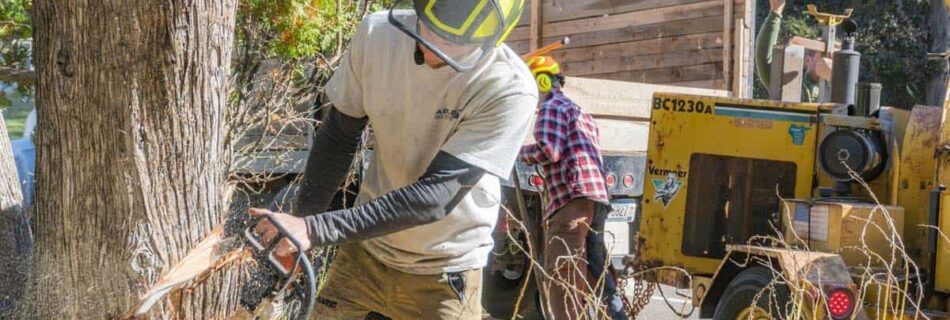
Search tree lopping Sydney and you will get hundreds of companies offering it. Ask five arborists what lopping actually means and you will get five different answers. That confusion costs Sydney homeowners real money, because the wrong interpretation of the word can leave you with a butchered tree, a council fine, and a bigger problem two years down the track. Strictly speaking, lopping is the indiscriminate removal of large branches, cutting back to stubs rather than to a natural growth point. In modern arboriculture, that practice is discouraged. But colloquially in Australia, “tree lopping” has become the catch-all consumer term for any tree work: reduction, thinning, deadwooding, canopy lifting or removal. When customers search for tree lopping Sydney services, they usually mean “make this tree smaller and safer”. This article covers both meanings so you know exactly what to ask for. Lopping vs Pruning: The Difference That Determines Whether Your Tree Survives Topping or lopping cuts branches at an arbitrary point mid-limb. The tree responds with a flush of weakly attached epicormic shoots, the exposed stub cannot compartmentalise the wound properly, and decay marches down into the trunk. Five years later you have a denser, heavier, structurally weaker canopy sitting on rotting scaffolding. That is worse than doing nothing. Crown reduction removes branches back to a lateral limb at least one third the diameter of the removed section. The lateral becomes the new leader, the wound seals properly, and the tree keeps a natural form at a reduced size. This is what a qualified arborist does, and it is what AS 4373-2007 Pruning of Amenity Trees specifies. When you engage a tree lopping Sydney contractor, ask them one question: “Will you be cutting to a lateral or leaving stubs?” The answer tells you everything about their competence. The Legitimate Types of Tree Lopping Work Crown Reduction Reduces overall height and spread while keeping the tree’s natural shape. Typically 10 to 30 percent of the canopy at most. Anything beyond that stresses the tree severely. Crown Thinning Selective removal of inner branches to reduce wind sail and let more light through to lawns and gardens underneath. Density is reduced without changing the outline of the tree. Crown Lifting Removing lower limbs to create clearance over a driveway, footpath or roofline. The most common request in suburban Sydney. Deadwooding Removal of dead, dying, diseased and damaged branches. Pure risk reduction with zero downside for tree health. Formative Pruning Early structural pruning on young trees to eliminate weak unions before they become expensive problems. The cheapest tree work you will ever pay for. What Does Tree Lopping Cost in Sydney? Pricing tracks canopy volume, access and disposal more than height: Most tree lopping Sydney crews price per job, not per hour, and include green waste removal in the quote. Confirm that in writing, because “plus disposal” surprises are the most common complaint in this industry. Council Approvals for Lopping in Sydney Here is the trap: many Sydney residents assume permits only apply to removals. They do not. Most councils also regulate pruning above a certain threshold, commonly anything removing more than 10 percent of the canopy, or any cut above a set branch diameter (frequently 50mm to 100mm at the final cut). Exemptions usually cover: Rules differ meaningfully between Inner West, Northern Beaches, Ku-ring-gai, Blacktown and the Blue Mountains. Never assume. A competent contractor will check for you before the chainsaw comes out of the truck. Best Time of Year for Tree Lopping in Sydney Sydney’s temperate climate gives you a wide window, but timing still matters: Most professional tree lopping Sydney operators are busiest from October through March as storm season fears kick in. Booking in winter usually gets you better availability and sometimes better pricing. Red Flags When Hiring The spike test is a great shortcut. Climbing irons are appropriate for removals. On a tree that is staying, they puncture the cambium and create dozens of decay entry points. If a crew turns up spiked for a pruning job, stop the work. What Happens to the Green Waste Branches are chipped on site and either taken away or left as mulch. Under NSW law, transported garden organics must be covered and delivered to a facility that can lawfully accept them. Larger logs typically become firewood, and clean hardwood chip becomes landscape mulch. Ask your contractor where the material goes: a company with its own recycling stream can usually price a job more competitively because disposal costs less.
Why Tree Removal Sydney Property Owners Rely On Matters More Than Ever

Why Tree Removal Sydney Property Owners Rely On Matters More Than Ever

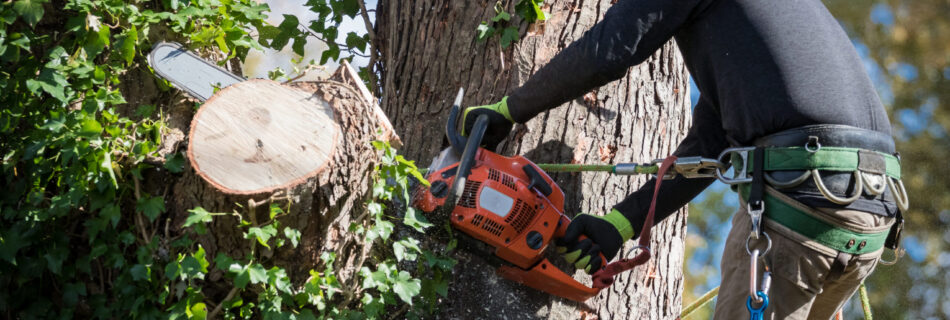
Sydney is one of the most heavily treed capital cities in Australia, and that greenery comes with responsibility. Storm seasons are getting harsher, root systems are colliding with older stormwater infrastructure, and backyard subdivisions are pushing mature gums closer to buildings than ever. When a tree becomes structurally unsound, diseased or simply unsuited to the space it occupies, professional tree removal Sydney wide is not a luxury. It is a risk management decision. A falling limb from a mature eucalypt can weigh several hundred kilograms. It does not need to be a whole tree failure to cause catastrophic damage to a roof, a car, a fence or a person. That is why the industry is regulated, why councils require approvals, and why the cheapest quote in your inbox is very rarely the right one. Signs You Need Professional Tree Removal Not every problem tree needs to come down. A good arborist will always try to retain a tree if it can be made safe. However, there are clear warning signs that removal is the correct call: Sydney Council Rules You Cannot Ignore This is where most homeowners get caught out. Nearly every Sydney council protects trees above a certain height or trunk diameter under a Tree Preservation Order or a Development Control Plan. Removing a protected tree without council approval can attract fines that dwarf the cost of the job itself. The general rule of thumb across Greater Sydney is that trees over roughly three to five metres in height, or with a trunk circumference above a set threshold, require written council consent before removal. Exemptions typically exist for declared noxious weed species, trees within a set distance of an approved dwelling, and genuine emergencies where the tree presents an immediate danger. A reputable tree removal Sydney contractor will handle the permit application for you, or at minimum tell you exactly what your council requires. If a company tells you “don’t worry about council”, walk away. The liability lands on the property owner, not the contractor. What Qualifications Should Your Contractor Hold? The Australian Qualifications Framework sets the benchmark for the arboriculture industry: Beyond qualifications, insist on evidence of public liability insurance (a minimum of $20 million is standard for Sydney work) and current workers compensation cover. Ask whether the crew works to AS 4373-2007 Pruning of Amenity Trees and follows Safe Work Australia’s tree-work guidance. Any professional will answer these questions without hesitation. How the Tree Removal Process Actually Works What Does Tree Removal Cost in Sydney? Pricing depends on four things far more than tree height alone: access, proximity to structures, timber volume, and disposal. As a broad guide across the Sydney market: A crane-assisted removal in a courtyard with no street frontage will always cost more than a paddock tree with a driveway alongside it. Get three written quotes, and be suspicious of anything dramatically below market. Underquoted jobs are usually uninsured jobs. Safety: Why DIY Tree Removal Goes Wrong Tree work consistently ranks among the most dangerous occupations in Australia. The hazards are not obvious to an untrained eye: stored tension in a bent limb, barber-chairing on a back-leaning trunk, chainsaw kickback, and the sheer unpredictability of decayed timber. Add a ladder and an extension cord and you have a genuinely life-threatening afternoon. Home insurance policies also frequently exclude damage caused by unlicensed work you performed yourself. A $1,500 removal becomes a $40,000 roof claim you fund personally. Choosing the Right Tree Removal Sydney Company Use this checklist before you sign anything: Good tree removal Sydney operators are busy, book out a week or two ahead, and will happily tell you when a tree does not need removing. That honesty is the strongest signal you have found the right crew. Aftercare: What to Do With the Space Once the tree is gone, the ecological gap is real. Consider replanting with a species appropriate to the mature space available. Locally native options such as Banksia integrifolia, Angophora hispida or a lilly pilly cultivar give you canopy without the structural risk of a 30-metre gum next to a bedroom. Reuse the chipped material as mulch on garden beds to retain moisture through summer.

Tree Removal Cost Sydney

Tree Removal Cost Sydney Explained: What Impacts Pricing Most

For homeowners comparing quotes, the fastest way to avoid surprises is to understand what contractors are actually pricing in, not just the time on site. What does “tree removal” usually include in Sydney? The tree removal cost Sydney providers quote will usually cover safely dismantling the tree and moving sections to a drop zone. Many also include basic clean-up, but not all include stump grinding, green waste disposal, or timber splitting. To better understand what’s typically covered in a professional tree removal service, click here. They should expect a written scope that states what is included and what is optional. If the scope is vague, the final bill can change quickly once work begins. Why does tree size change the price so much? Larger trees take longer and need heavier rigging, more crew, and more controlled cuts. Even when access is good, the volume of material increases dramatically with height and canopy spread. Contractors also price for fatigue and safety margins. A big removal often requires slower, staged dismantling rather than quick felling, which pushes labour hours up. How does access to the tree affect the quote? Poor access usually means higher costs because material must be carried further and machinery cannot be used. Narrow side gates, steep blocks, soft lawns, and tight courtyards all add time. If they cannot bring in a stump grinder, chipper, or small crane, the crew does more manual handling. That increases labour and can also limit how quickly debris can be cleared. What role do hazards and nearby structures play in pricing? Risk is one of the biggest price drivers. If the tree is close to a house, fence, pool, neighbour’s roof, or power lines, removal must be more controlled and insured. This often means rigging, lowering limbs by rope, using elevated work platforms, traffic control, or arranging a power line shutdown. Each layer of risk management adds cost, even if the tree is not especially large. Click here to get more guide to managing the risks of tree work. Does tree condition or species change the cost? Yes, because dead, storm-damaged, or termite-affected trees can be unpredictable and dangerous to climb. Extra precautions, different cutting techniques, and more time are usually required. Species can matter too. Some timbers are heavier, more fibrous, or awkwardly branched, which increases handling time. Dense wood also fills trucks faster, which can mean more loads. How do council rules and approvals influence the total cost? In parts of Sydney, protected species, heritage areas, and tree preservation rules can require permits and reports. Even when approval is straightforward, the admin time and compliance risk can raise the price. They should check who is responsible for approvals before accepting a quote. If the contractor starts work without required permission, the homeowner may carry the consequences. What add-ons commonly increase the final price? The biggest add-ons are stump grinding, waste removal, and log processing. A quote may look cheaper because it excludes these items. Common extras include: Is stump grinding included, and why is it priced separately? Stump grinding is often separate because it requires different machinery and sometimes a separate visit. Price depends on stump diameter, root spread, soil conditions, and access. If they want turf, paving, or replanting afterwards, they should ask how deep the stump will be ground and whether surface roots will remain. How do emergency call-outs and storm jobs change costs? Emergency removals cost more because they happen outside standard scheduling and often involve unstable trees. Crews may need to prioritise safety stabilisation before removal. If a tree has already fallen, the job can be cheaper or more expensive depending on what it landed on. Clearing a driveway is different from removing a tree tangled across a roof. What should they look for when comparing quotes? They should compare scope first, price second. Two quotes can be £1,000 apart simply because one includes disposal, stump grinding, and full site clean-up. A solid quote usually lists the method, inclusions, exclusions, waste handling, and insurance details. They should also check whether VAT is included and whether the price changes if hidden issues appear mid-job. For a clearer idea of what to expect on the day, it helps to understand the tree removal service process from start to finish. How can they reduce tree removal cost without cutting corners? They can reduce cost by improving access, clarifying the scope, and bundling work. For example, removing multiple trees in one visit is often cheaper per tree. They can also ask for options such as leaving mulch on site, keeping logs for firewood, or excluding stump grinding if they do not need it. The key is agreeing in writing so the final invoice matches expectations. What’s the simplest way to avoid pricing surprises? They should ask for an itemised quote and a clear definition of “clean-up” and “removal.” The most common surprise is disposal and stump grinding not being included. If they want predictable pricing, they should request photos in the quote, confirm access assumptions, and ask what would cause a variation. A good contractor will explain the pricing drivers before any work starts. FAQs (Frequently Asked Questions) What factors influence the cost of tree removal in Sydney? Tree removal costs in Sydney vary widely depending on risk, access, tree size, species, and post-removal requirements such as stump grinding or waste disposal. Each job is unique, so these elements significantly affect pricing. Does a typical tree removal quote in Sydney include stump grinding and waste disposal? Most quotes cover dismantling the tree and basic clean-up, but stump grinding, green waste disposal, and timber splitting are often excluded. It’s crucial to get a written scope detailing what is included and optional to avoid unexpected charges. How does tree size impact the price of removal services? Larger trees require more time, heavier rigging equipment, larger crews, and careful staged dismantling for safety. The increased volume of material also raises labour hours and costs substantially compared to smaller trees. In what ways do …

tree removal service

What Does A Tree Removal Service Actually Do From Start To Finish

From the first phone call to the final sweep-up, their job is to remove a tree with controlled, planned steps that reduce danger to people, buildings, fences, vehicles, and surrounding plants. What happens during the first enquiry and booking? When contacting a tree removal service, they’ll ask what tree it is, roughly how tall it seems, what the access is like, and why removal is needed. They may request photos of the tree, the base, and the surrounding area to spot hazards early. They’ll then book a site visit or confirm a quote route. If the tree is urgent, for example after storm damage, they’ll prioritise safety and may arrange emergency attendance. You can also learn more about the process and professional support available through https://treesdownunder.com.au/tree-removal. How do they check whether a tree can legally be removed? They’ll consider whether the tree is protected by a Tree Preservation Order (TPO) or sits within a conservation area. If protection may apply, they should advise the client to check with the local council before work starts. If permission or notice is required, they’ll typically explain the process and what information is needed. Reputable services avoid starting work that could put the client at risk of enforcement action. What do they look for during the on-site assessment? They assess the tree’s condition, lean, deadwood, decay, cracks, root stability, and how failure might occur. They also map what could be hit: buildings, greenhouses, power lines, patios, roads, sheds, and neighbouring gardens. They’ll check access for a truck, chipper, and equipment, plus whether waste can be moved safely. This visit is where they decide the method: straight fell, sectional dismantle, or specialist rigging. How do they decide the safest removal method? If space allows, they may fell the tree in one piece using directional cutting and wedges. If space is tight, they’ll dismantle it in sections, usually from the top down, controlling each piece as it drops. Near structures, they may use ropes and rigging to lower limbs in a controlled way. If the tree is unsafe to climb, they may use a MEWP (cherry picker) or other access method. What safety controls do they put in place before cutting starts? They’ll set up an exclusion zone and keep bystanders out of the drop area. They’ll wear PPE such as helmets with visors, chainsaw protection, gloves, and safety boots, and they’ll check tools before use. If the work affects a pavement or road, they may use cones, signage, or traffic management. They also plan escape routes and communication so the team moves predictably around hazards. What does the actual tree removal process look like? They typically start by removing smaller branches to reduce weight and create working space. For dismantles, they remove upper sections first, then progressively work down the stem, lowering pieces where needed. They’ll manage the direction and speed of cuts to prevent splitting or uncontrolled swings. The aim is controlled removal, not speed, especially where property or people could be affected. Other Resources : Apply to prune or remove a tree What happens to the branches, logs, and debris? They usually chip smaller branches on site and load chips into a truck, unless the client requests mulch left behind. Larger wood is cut into manageable lengths and stacked, removed, or left as logs depending on the agreement. They’ll rake and gather smaller debris as they go to keep footing safe. A professional finish includes tidying borders, lawns, and access routes used during the job. Do they remove the stump as well, or is that separate? Stump removal is often optional and priced separately. If included, they’ll use a stump grinder to reduce the stump below ground level, then backfill the hole with grindings or soil depending on the plan for the area. If stump grinding is not chosen, they’ll usually cut the stump close to ground level. They should explain the regrowth risk for certain species and what that means for future maintenance. For a clearer breakdown of what affects pricing, see this guide to Tree Removal Cost Sydney. How do they leave the site once the work is finished? They’ll do a final clear-up, remove waste as agreed, and check for stray branches, sawdust piles, and hidden debris in shrubs. They’ll also confirm whether any garden features were moved and return them where possible. They should walk the client through what was done, what was removed, and what remains. If there’s follow-up advice, such as monitoring nearby trees, they’ll share it before leaving. FAQs (Frequently Asked Questions) What should I expect during the first enquiry and booking for tree removal? During the initial contact, the service will ask about the type of tree, its approximate height, access conditions, and reasons for removal. They may request photos of the tree and surrounding area to identify hazards early. Based on this, they’ll arrange a site visit or provide a quote and prioritise urgent cases like storm damage. How do tree removal services ensure legal compliance before removing a tree? They check if the tree is protected by a Tree Preservation Order (TPO) or located within a conservation area. If so, they advise clients to consult the local council before starting work. Reputable services avoid proceeding without necessary permissions to prevent enforcement issues. What does an on-site tree assessment involve? The assessment examines the tree’s health, lean, deadwood, decay, cracks, root stability, and potential failure modes. They also map nearby structures such as buildings, power lines, and gardens that could be affected. Access for equipment and waste removal is evaluated to determine the safest removal method. How is the safest method for tree removal chosen? If space permits, the tree may be felled in one piece using directional cuts and wedges. In tight spaces or near structures, sectional dismantling with ropes or rigging is used to lower limbs safely. Unsafe trees might require mechanical access like cherry pickers to ensure controlled removal. What safety measures are implemented during tree removal? An exclusion zone …

Stay Alert: Common Indicators of Termite Sydney Residents Often Overlook

Stay Alert: Common Indicators of Termite Sydney Residents Often Overlook

Termites are often referred to as the ‘silent destroyers’ of the pest world. They can cause significant damage to homes and buildings, particularly in regions like Sydney, where the climate is conducive to their activity. Unfortunately, many residents tend to overlook the early signs of a termite infestation, leading to costly repairs and extensive damage. This article aims to shed light on the common indicators of termite presence that Sydney residents should be vigilant about. Understanding Termite Behaviour Before diving into the indicators of termite infestations, it is essential to understand their behaviour. Termites are social insects that live in colonies, and their primary goal is to find food and shelter. They primarily feed on cellulose, which is found in wood, paper, and other plant materials. This diet makes wooden structures particularly susceptible to their destructive tendencies. Interestingly, termite control sydney play a vital role in the ecosystem by breaking down dead plant material, recycling nutrients back into the soil. This natural process contributes to soil health and promotes new plant growth, showcasing the duality of their existence as both beneficial organisms and potential pests. Termites thrive in warm, moist environments, making Sydney an ideal habitat. They can enter homes through tiny cracks and crevices, often going unnoticed until significant damage has occurred. The subtropical climate of Sydney, with its seasonal humidity, creates a perfect breeding ground for these insects. Understanding their behaviour can help residents identify the signs of an infestation before it escalates. For instance, termites communicate through pheromones, which can lead them to food sources and alert others in the colony about potential threats. This complex social structure means that a small group of termites can quickly multiply, making early detection crucial for homeowners. Types of Termites in Sydney In Sydney, there are several species of termites, but the most common include the Eastern Subterranean termite and the Drywood termite. Each type has distinct behaviours and signs of infestation. While subterranean termites build their colonies underground and can create mud tubes to access food sources, drywood termites often infest wooden structures directly, leading to different indicators of their presence. Subterranean termites are particularly notorious for their ability to cause extensive damage, as they can remain hidden beneath the surface for years, silently consuming wood. In contrast, drywood termites tend to leave behind small pellets of faecal matter, which can serve as a telltale sign of their activity. Understanding these differences is essential for effective pest management and prevention strategies. Common Indicators of Termite Infestation Recognising the signs of a termite infestation early can save homeowners from extensive damage and costly repairs. Here are some of the most common indicators that Sydney residents should be aware of: 1. Mud Tubes One of the most telling signs of subterranean termite activity is the presence of mud tubes. These tubes are constructed by termites to provide protection as they travel between their underground colonies and food sources. Typically, they are found along foundations, walls, or in crawl spaces. The tubes are about the width of a pencil and are made from soil, wood, and termite saliva. When inspecting for mud tubes, look for any irregularities along the foundation of your home. If you find these structures, it is crucial to act quickly, as they indicate that termites are actively seeking food sources within your property. 2. Hollow Sounding Wood If you suspect that termites are present in your home, tapping on wooden structures can provide valuable clues. Healthy wood produces a solid sound when tapped, while wood that has been damaged by termites often sounds hollow. This is because termites consume the wood from the inside out, leaving only a thin layer of wood on the exterior. To check for hollow-sounding wood, use a screwdriver or a similar tool to tap on wooden beams, floorboards, and furniture. If you hear a hollow sound, it may indicate that termites have infested that area. It is advisable to seek professional help if you discover hollow wood. Other Subtle Signs of Termite Activity Aside from the more obvious indicators, there are several subtle signs of termite activity that residents might overlook. Being aware of these can help in early detection. 3. Discarded Wings During the reproductive season, termites swarm to establish new colonies. After mating, they shed their wings, which can often be found near windowsills or doors. Finding a pile of discarded wings is a clear sign that termites are present in or around your home. It is essential to monitor these areas, especially during the warmer months when swarming is most likely to occur. If you notice discarded wings, it is advisable to conduct a thorough inspection of your property for other signs of infestation. 4. Frass (Termite Droppings) Frass, or termite droppings, is another indicator of an infestation. These droppings resemble small pellets and can often be found near infested wood. Different species of termites produce different types of frass, but it is generally a sign that termites are actively feeding on the wood in your home. Finding frass should prompt immediate action, as it indicates that termites are present and potentially causing damage. It is wise to have a professional pest control service assess the situation. Read more about identifying termites at http://extension.msstate.edu/content/signs-termite-infestation Environmental Factors to Consider Several environmental factors can increase the likelihood of termite infestations. Understanding these can help residents take preventative measures to protect their homes. 5. Moisture and Humidity Termites thrive in moist environments, so areas of your home that are prone to dampness are particularly vulnerable. Leaky pipes, poor drainage, and humidity can create ideal conditions for termites to flourish. Regularly inspect areas such as basements, crawl spaces, and around plumbing fixtures for signs of moisture. To reduce the risk of termite infestations, ensure that your home is well-ventilated and that any leaks are promptly repaired. Additionally, using dehumidifiers in damp areas can help deter termites. 6. Wood-to-Soil Contact Wood that is in direct contact with soil provides an easy entry point for …

Choosing the Best Termite Pest Control Sydney Has to Offer

Choosing the Best Termite Pest Control Sydney Has to Offer

Termites are often referred to as the silent destroyers, as they can cause significant damage to homes and properties without any visible signs until it’s too late. In Sydney, where the climate is conducive to termite activity, it is crucial for homeowners to be proactive in protecting their properties. This article aims to guide you through the process of selecting the best termite pest control services in Sydney, ensuring that your home remains safe and secure. Understanding Termite Infestations Before delving into pest control options, it is essential to understand what termites sydney are and how they operate. Termites are social insects that live in colonies, feeding primarily on wood and other cellulose materials. Their presence can lead to severe structural damage, which can be both costly and time-consuming to repair. With their remarkable ability to consume wood, termites play a crucial role in nature by breaking down dead trees and recycling nutrients back into the soil. However, this beneficial aspect turns detrimental when they invade human habitats, where they can cause extensive damage to homes and buildings. Types of Termites In Australia, there are several species of termites, with the most common being the Eastern Subterranean termite and the Formosan termite. Each species has its own behaviour patterns and preferences for nesting and feeding, which can influence the pest control methods required. Understanding the specific characteristics of these termites can aid homeowners in recognising potential threats and implementing preventative measures. Eastern Subterranean termites are notorious for their ability to create extensive underground tunnels, which can lead them directly to the wooden structures of your home. These tunnels, often referred to as “foraging tunnels,” allow them to efficiently navigate through the soil in search of food. On the other hand, Formosan termites are known for their aggressive nature and large colonies, making them particularly challenging to manage. They can consume wood at an alarming rate, and their colonies can consist of millions of individuals, which significantly increases the likelihood of severe damage if left unchecked. Signs of Infestation Recognising the signs of a termite infestation is vital for early intervention. Homeowners should be vigilant for the following indicators: Wood that sounds hollow when tapped. Frass (termite droppings) resembling sawdust. Swarmers or discarded wings near windows and doors. Visible mud tubes along walls or foundations. If any of these signs are observed, it is advisable to contact a pest control professional immediately to assess the situation. In addition to these signs, homeowners should also be aware of any unexplained structural changes, such as sagging floors or ceilings, which may indicate a more severe infestation. Regular inspections, especially in areas prone to moisture, can help identify potential problems before they escalate into costly repairs. Furthermore, maintaining proper ventilation and reducing wood-to-soil contact around your property can significantly decrease the likelihood of termite invasions. Choosing a Pest Control Company When it comes to selecting a termite pest control company in Sydney, several factors should be considered to ensure you receive the best service possible. Experience and Expertise It is crucial to choose a pest control company with extensive experience in dealing with termite infestations. Companies that have been in the industry for several years are likely to have encountered a wide range of situations and developed effective strategies for managing them. Look for certifications and memberships in professional organisations, which can indicate a commitment to ongoing training and best practices. Methods of Treatment Different pest control companies may offer various treatment methods, including chemical treatments, baiting systems, and physical barriers. Understanding these methods can help you make an informed decision: Chemical Treatments: These involve applying insecticides to the soil around your home to create a barrier against termites. Baiting Systems: These systems use bait stations placed around the property, which attract termites and eliminate them over time. Physical Barriers: Installing physical barriers during construction can prevent termites from entering your home in the first place. Each method has its advantages and disadvantages, and a reputable pest control company will be able to recommend the best approach based on your specific situation. Read more about methods to control termites at http://extension.msstate.edu/content/methods-termite-control Cost Considerations The cost of termite pest control can vary significantly depending on the size of the infestation, the methods used, and the company you choose. It is essential to obtain multiple quotes from different providers to ensure you are getting a fair price. Factors Affecting Cost Several factors can influence the overall cost of termite treatment, including: The extent of the infestation. The size of your property. The type of treatment chosen. Any additional services, such as follow-up inspections or preventative measures. While it may be tempting to choose the cheapest option, it is crucial to consider the quality of service and the reputation of the company as well. Long-term Investment Investing in termite pest control is not merely an expense; it is a long-term investment in the safety and integrity of your home. The costs associated with repairing termite damage can far exceed the initial investment in preventative measures. Therefore, it is wise to consider pest control as a necessary part of home maintenance. Preventative Measures Prevention is always better than cure, especially when it comes to termite infestations. Implementing preventative measures can significantly reduce the risk of termites invading your home. Regular Inspections Scheduling regular inspections with a pest control professional can help identify potential issues before they escalate. Most experts recommend annual inspections, particularly in areas prone to termite activity. During these inspections, professionals can assess the property for signs of infestation and recommend any necessary treatments. Home Maintenance Proper home maintenance is another crucial aspect of preventing termite infestations. Homeowners should: Ensure that gutters and downspouts are functioning correctly to prevent water accumulation. Seal any cracks or gaps in the foundation and walls. Store firewood and other cellulose materials away from the home. Maintain proper ventilation in crawl spaces and attics. By taking these steps, homeowners can create an environment that is less conducive to termite activity. To learn more …

Flowers for Weddings

Lane Cove Flowers Delivered Fresh for Weddings and More

Welcome to our guide on the beauty and importance of fresh flowers in your special events, especially in Lane Cove. Flowers are more than just décor; they embody emotions and significance, transforming gatherings into memorable experiences. Whether it’s a wedding, birthday party, or a corporate event, understanding how to incorporate fresh flowers can make all the difference. Understanding the Importance of Fresh Flowers at Your Event Lane Cove florist have a unique ability to enhance the ambiance of any event. Their beauty, fragrance, and vibrant colors can evoke emotions and create a welcoming atmosphere. In a wedding setting, they symbolize love and new beginnings, making them a crucial element of the decor. Furthermore, fresh flowers signal care and attention to detail. They demonstrate to your guests that you value their presence and have planned your event thoughtfully. Additionally, the right floral arrangements can seamlessly tie together various aspects of the event, from the venue to the table settings. The choice of flowers can also reflect the season, adding a layer of connection to the time of year and the natural world surrounding your celebration. For instance, peonies in spring or sunflowers in summer can evoke a sense of joy and vibrancy that complements the overall mood of the gathering. The Role of Flowers in Weddings In weddings, flowers play multiple roles. They serve as bridal bouquets, groom’s boutonnieres, and centerpieces that accentuate the reception tables. Each floral element adds richness to the overall aesthetic of the celebration. Beyond mere decoration, flowers can also carry personal significance, representing family traditions or cherished memories. Couples often choose specific blooms that hold sentimental value, making their wedding day even more meaningful. Moreover, flowers help in crafting specific moods. Soft pastels can create romance, while vibrant colors can convey joy and festivity. It’s essential to select flowers that resonate with your wedding theme and the feelings you wish to evoke on your special day. Additionally, the arrangement style—whether it’s lush and cascading or minimalist and structured—can further enhance the emotional tone of the event, allowing couples to express their unique personalities through floral design. Why Freshness Matters in Floral Arrangements Freshness is paramount when it comes to floral arrangements. Fresh flowers have a vibrant appearance and a more robust fragrance, both of which are essential in creating a captivating atmosphere for your event. The visual appeal of fresh blooms can transform a simple venue into a breathtaking space, drawing the eye and creating focal points that enhance the overall decor. Moreover, fresh flowers last longer, ensuring your arrangements remain stunning throughout the event. As they begin to wilt, their beauty diminishes, which can affect the overall impression of your wedding or gathering. Therefore, choosing fresh flowers from reliable sources is vital for a successful floral design. It’s also worth considering the logistics of flower care leading up to the event; proper hydration and storage can significantly extend the life of your arrangements. Engaging a professional florist who understands the nuances of flower preservation can make all the difference, ensuring that your blooms look their best from the moment your guests arrive until the last dance of the evening. The Process of Delivering Fresh Flowers in Lane Cove Delivering fresh flowers in Lane Cove involves a meticulous process to ensure that each bloom remains in prime condition until it reaches your event. This process starts the moment flowers are harvested from reputable growers. After picking, flowers are prepared for delivery in temperature-controlled environments that help maintain freshness. Each stem is carefully handled to avoid damage, ensuring that they arrive at your location looking just as beautiful as when they were first picked. How We Ensure Freshness During Delivery The key to fresh flower delivery lies in the care taken at every step of the journey. We use specially designed containers that supply water and keep flowers hydrated during transport. Additionally, our delivery team is trained to handle flowers gently and efficiently. They are vigilant in inspecting the flowers prior to loading to ensure only the freshest blooms are on board. By the time your flowers arrive, they’re primed to be showcased in your event’s decor. The Journey from the Garden to Your Event Every bouquet begins its journey in the garden, where flowers are nurtured under ideal conditions. Once they are ready for harvest, they are picked at their peak, ensuring optimal beauty and fragrance. The flowers then make their way through a series of stages—cleaning, trimming, and hydrating—before heading out for delivery. The entire journey is crafted to prioritize freshness, making sure that once they reach you in Lane Cove, they are ready to shine during your event. Exploring the Variety of Flowers Available for Delivery The world of flowers is vast and beautiful. We offer an extensive selection that caters to a variety of tastes and styles, ensuring you find the perfect ones for your occasion. From classic roses to exotic orchids, every flower type has its unique charm. Knowing your options can help you make an informed decision, adding an extra layer of personalization to your floral arrangements. Popular Flower Choices for Weddings When it comes to weddings, some flowers have become staples due to their beauty and symbolism. Roses, for instance, signify love and passion, making them a favorite for bridal bouquets. Peonies, with their lush blooms, are favored for their romantic appeal. Additionally, lilies, sunflowers, and hydrangeas are gaining popularity for their unique shapes and colors, allowing couples to showcase their personalities through their flower selections. In recent years, wildflowers and greenery have also gained traction, offering a charming rustic vibe. Seasonal Flowers for Your Event Choosing seasonal flowers can enhance the freshness of any arrangement. Seasonal blooms are not only at their best in terms of appearance and fragrance, but they are also more readily available and often more affordable. For instance, spring is abundant with tulips and daffodils, while summer offers a vibrant palette with sunflowers and zinnias. Autumn provides stunning foliage with chrysanthemums and dahlias, and …

Floral Arrangements

Lane Cove Florist: Top-Quality Floral Arrangements for Every Occasion

Welcome to Lane Cove Florist, where we believe that every occasion deserves the perfect floral arrangement. Whether you’re celebrating a wedding, a birthday, or need a heartfelt tribute, our expert florists craft beautiful displays that convey your sentiments perfectly. In this article, we will explore the intricacies of floral arrangements, what sets us apart, and how you can customize your own unique designs. Understanding the Art of Floral Arrangements The art of flowers lane cove arrangements is a blend of creativity, technique, and understanding of the flowers themselves. It’s not just about putting flowers together; it’s about creating something that tells a story, evokes emotions, and enhances the environment. Each arrangement can serve as a reflection of the occasion, whether it be a wedding, a birthday celebration, or a simple gesture of appreciation. The thoughtful combination of colors, shapes, and scents can transform a space, making it feel more inviting and alive. The Importance of Flower Selection Choosing the right flowers is crucial in creating stunning arrangements. Different flowers carry unique meanings and can evoke various feelings. For example, red roses are often associated with love, while lilies symbolize purity and refined beauty. Beyond their symbolism, the choice of flowers also depends on their longevity and fragrance, which can enhance the overall experience of the arrangement. At Lane Cove Florist, we help our clients understand these meanings so the selections not only look beautiful but also resonate emotionally with the recipient. This thoughtful approach ensures that every bouquet is not only visually appealing but transports a heartfelt message. Furthermore, we encourage our clients to consider personal preferences and memories associated with certain flowers, making each arrangement even more special and personalized. The Role of Color and Texture in Arrangements Color and texture play pivotal roles in the overall aesthetic of floral arrangements. Color creates mood; warm hues like reds and yellows offer vibrancy and warmth, while cooler tones like blues and greens can evoke calmness and serenity. The interplay of colors can also guide the viewer’s eye, leading them through the arrangement in a harmonious flow. Additionally, mixing textures—from the velvety petals of a rose to the delicate feathery accents of a fern—adds depth and interest to arrangements. Our florists expertly consider these aspects to ensure every piece is a masterpiece. The use of varied textures not only captivates the observer but also invites them to engage with the arrangement on a sensory level, enhancing their overall experience. Seasonal Considerations for Floral Designs Flowers are seasonal, and utilizing what’s in bloom can significantly enhance your arrangement. Seasonal flowers are not only fresher but often more vibrant and lively. For instance, spring brings tulips and daffodils, while autumn showcases dahlias and chrysanthemums. By embracing the natural cycles of blooming, we can create arrangements that are not only visually stunning but also ecologically responsible. By paying attention to the seasons, our designers create arrangements that reflect nature’s beauty at any given time, providing a fresh and organic feel to all designs. This seasonal awareness allows us to introduce unique and unexpected elements into our arrangements, such as berries in the fall or fragrant herbs in the summer, further enriching the sensory experience and connection to the natural world. Our commitment to seasonal design also supports local growers, ensuring that we provide the freshest and most sustainable options available. The Lane Cove Florist Difference At Lane Cove Florist, our commitment to excellence is unwavering. We strive to stand out in a crowded market of florists through our attention to detail and dedication to quality service. Our Commitment to Quality We believe that flowers should last longer than just a few days. That’s why we take immense care in sourcing our blooms from trusted growers who share our values of quality and sustainability. Each arrangement is crafted with the freshest flowers possible, ensuring longevity and beauty. Moreover, our meticulous design process guarantees that each arrangement not only meets but exceeds client expectations. Whether for a small gathering or a grand event, we treat every order with the utmost consideration. We also prioritize eco-friendly practices, using biodegradable materials and minimizing waste wherever possible. This commitment to sustainability not only enhances the beauty of our arrangements but also contributes positively to the environment, making each bouquet a choice you can feel good about. The Expertise of Our Florists Our team of passionate florists is what truly sets Lane Cove Florist apart. With years of experience and a keen eye for design, our florists are not just flower arrangers but artists who craft unique works of floral art. From understanding clients’ needs to executing intricate designs, their expertise shines through in every arrangement. Whether you are looking for traditional elegance or modern creativity, our florists are well-equipped to cater to all styles. Additionally, our florists continuously enhance their skills by attending workshops and industry events, ensuring they stay ahead of the latest trends and techniques in floral design. This dedication to professional growth allows us to offer innovative and fresh ideas to our clients, making each arrangement truly one-of-a-kind. Our Wide Range of Floral Services Lane Cove Florist offers a diverse array of floral services to cater to different needs. We specialize in everything from bridal bouquets and wedding centerpieces to corporate events and personal gifts. Each service is tailored to meet specific client requirements, ensuring a personal touch in all we do. Furthermore, we understand that flowers can convey a multitude of emotions, and we take pride in helping our clients express their sentiments through thoughtful arrangements. Whether it’s a joyful celebration or a moment of remembrance, our florists are skilled in creating arrangements that resonate with the occasion, ensuring that every bouquet tells a story and leaves a lasting impression. Floral Arrangements for Various Occasions Flowers enhance many life occasions, and at Lane Cove Florist, we understand the importance of creating the right impression with floral displays. Weddings and Engagements Your wedding day is one of the most significant events in your life, and …

Tree Removal Cost Sydney

Finding Reliable Tree Pruning Near Me for Your Yard

Finding a reliable tree pruning service can feel like a daunting task, especially when you’re looking out for the health and aesthetics of your yard. Trees are not just a part of your landscape; they are living organisms that require attention and care. Therefore, understanding the importance of professional tree pruning is essential for any homeowner. Understanding the importance of professional tree pruning Before diving into the detail of finding reliable tree pruning near me for your yard, understanding the importance of professional tree pruning is essential, the process of tree pruning is more than just cutting branches; it’s a crucial aspect of yard maintenance. Proper pruning helps shape the growth of trees, ensuring they remain healthy and vibrant while also enhancing the overall aesthetic appeal of the garden. This practice not only improves the appearance of your trees but also assists in preventing potential safety hazards such as low-hanging branches that could fall and cause injury or damage. The role of tree pruning in yard maintenance Regular pruning encourages new growth and helps maintain the desired shape of your trees. By removing dead or diseased branches, you’re promoting a healthy environment for the rest of the tree to flourish. Moreover, pruning your trees at the right time can lead to better flower and fruit production, adding to the charm of your garden. In addition to enhancing the beauty of your landscape, strategic pruning can also allow more sunlight to reach other plants beneath the tree. This promotes a healthier garden ecosystem, benefiting not only the trees but also the surrounding flora. Health benefits for your trees Just like humans need regular check-ups, trees benefit significantly from scheduled pruning sessions. It helps to mitigate the risk of disease as well as pest infestations. When dead or diseased wood is removed, it prevents issues from spreading throughout the tree. Furthermore, proper pruning techniques can improve airflow within the tree canopy, which is crucial for reducing the likelihood of fungal infections. Ensuring that your trees are healthy is crucial not only for their longevity but for the health of your entire garden. Key factors to consider when choosing a tree pruning service Now that we understand the importance of tree pruning, choosing the right service becomes vital. There are several factors that one should consider to ensure you pick a reliable provider. Qualifications and experience First and foremost, investigate the qualifications and experience of the tree pruning service. Look for accredited professionals who have gone through proper training and certification. This not only ensures that they are knowledgeable about the best practices in tree care but also that they are up-to-date with the latest standards in the industry. Experience matters too; seasoned professionals will have dealt with a variety of tree species and conditions, equipping them with the skills necessary to handle your specific needs effectively. Equipment and safety measures Next, inquire about the types of equipment they use. A reputable tree pruning service should possess high-quality, well-maintained tools and machinery. Moreover, safety measures are crucial in this line of work. Ensure that the company follows strict safety protocols to protect both its workers and your property. Ask whether they have appropriate insurance coverage to protect against any accidents or damages that may occur during the pruning process. A responsible tree pruning service will be willing to provide proof of such insurance. Pricing and service packages Finally, consider pricing and the types of service packages offered. It’s essential to obtain multiple quotes and understand what is included in each service package. Beware of significantly low prices, as this may indicate a lack of quality service. Instead, look for a balance between affordability and quality. Some companies offer comprehensive packages that include consultations, aftercare, and follow-up services, which could provide added value to your investment. You may also like to visit https://all-about-planters.com/a-guide-to-the-best-tree-removal-services-in-sydney for information about best tree removal services in Sydney. How to find local tree pruning services The next step is discovering local services that meet your criteria. Fortunately, there are numerous ways to go about this. Utilising online search tools Online search tools are an excellent starting point. Websites like Google and social media platforms allow you to search for tree pruning services nearby. Pay close attention to customer reviews and ratings, as they can provide valuable insights into the quality of service and customer satisfaction. Also, local directories often list companies with their contact information, landing pages, and reviews to gauge their reputation within the community. Asking for recommendations from your community Do not underestimate the power of word of mouth. Ask your friends, family, or neighbours if they can recommend any reliable tree pruning services. Often, personal experiences carry more weight than online reviews and can guide you to trustworthy options. Local gardening clubs or community groups may also provide valuable recommendations, as members usually share their experiences on service providers in the area. Questions to ask potential tree pruning services Before making a decision, it’s crucial to have a conversation with your prospective tree pruning services. Certain questions can help clarify their methods and your expectations. Understanding their approach to tree health Inquire about their philosophy regarding tree health. A good tree pruning service should prioritise the long-term health of your trees rather than simply achieving the desired aesthetic. Ask how they tailor their services to individual tree species and needs. Additionally, understanding their approach will reassure you that they are not just looking for a quick fix but are committed to ensuring the vitality of your trees. Enquiring about their clean-up process Post-pruning clean-up is another crucial aspect that you should discuss. After a pruning session, your yard should be left clean and tidy. Ask potential services how they handle debris removal and whether it’s included in the service package. A thorough clean-up leaves your outdoor space looking pristine and allows you to enjoy your yard immediately after the pruning session. Maintaining your yard post-pruning Once the pruning is done, the work does not simply stop …

Best Tree Removal Services in Sydney

A Guide to the Best Tree Removal Services in Sydney

If you live in Sydney, you might have noticed how crucial trees are for our urban landscape. However, there are times when tree removal becomes necessary—be it for safety reasons, to make way for new construction, or simply because a tree has become too large or unhealthy. In this guide, we will delve into understanding the need for tree removal services and explore how to choose the best one for your needs. Understanding the need for tree removal services Tree removal services are essential in maintaining the health and aesthetics of your property. Often, a tree may pose a risk to surrounding structures or individuals, particularly if it shows signs of disease, decay, or damage from storms. Knowing when to call in the experts can save you from potential hazards and expenses. Additionally, trees that are overgrown can obstruct sunlight from reaching your garden, affecting the growth of other plants and flowers. This not only detracts from the beauty of your outdoor space but can also hinder the overall biodiversity of your garden ecosystem. The importance of professional tree removal Hiring a professional tree removal service ensures that the job is done safely and efficiently. These experts possess the necessary skills, equipment, and knowledge to handle the complexities involved in the removal process. Moreover, they can assess the tree’s condition and provide proper recommendations tailored to your situation. Professional services often include a thorough evaluation of the surrounding landscape, which can help in planning for future planting or landscaping projects. They can also advise on the best practices for maintaining the health of remaining trees, ensuring that your garden remains vibrant and flourishing. Risks associated with DIY tree removal While the idea of saving a few dollars may seem appealing, attempting to remove a tree yourself can be highly risky. Kudos to DIY enthusiasts, but tree removal can lead to injuries or property damage if not executed correctly. If not handled properly, falling branches can result in severe injuries, and you may also encounter legal issues if the tree is on shared property. Furthermore, without the right tools and knowledge, you might inadvertently damage nearby plants or structures, leading to more extensive repairs and costs. It’s also worth noting that some trees may require permits for removal, and failing to adhere to local regulations can result in fines or legal action. Key factors to consider when choosing a tree removal service When selecting a tree removal service, it’s not just about picking the one with the lowest price. There are several factors to consider to ensure that you’re making the right choice. Checking for qualifications and experience Start by checking the qualifications and experience of the tree removal service you are considering. Look for certifications from recognised organisations that signify they adhere to industry standards. An experienced team is better equipped to manage various challenges that may arise during the removal process. Assessing the company’s safety measures Safety should always be a top priority when it comes to tree removal. Make sure the company you choose has robust safety measures in place. This includes the use of personal protective equipment (PPE) for their workers and proper safety protocols to prevent accidents. A service that prioritises safety will also provide peace of mind for you as a homeowner. Comparing costs and value for money Price is undoubtedly a significant factor, but it’s essential to look beyond just the numbers. Request detailed quotes that outline what is included—such as removal, clean-up, and any additional services like stump grinding. Comparing these factors will help you assess whether you’re receiving good value for your investment. Overview of top tree removal services in Sydney In Sydney, the tree removal market is vast, with numerous companies claiming to offer the best services. It’s crucial to do your research to find a reliable and reputable service that meets your specific needs. Service offerings and specialities Each tree removal service may specialise in different types of work. Some may focus solely on residential tree removal, while others might offer additional services such as landscaping, pruning, and stump grinding. Knowing what each company offers can help you determine if they can cater to all your tree-related needs. Learn more about finding reliable tree pruning near me for your yard. Customer reviews and ratings One effective way to gauge the reliability of a tree removal service is by checking customer reviews and ratings. Websites like Google Reviews, Yelp, or social media can provide insights into the experiences of previous clients. Positive feedback is usually a good indicator of a company’s service quality. The process of tree removal Understanding the process of tree removal can help you feel more at ease when hiring professionals. The procedure is generally streamlined and involves a few crucial steps. Initial assessment and quotation Initially, the tree removal service will conduct an assessment of your tree to determine its condition and the best method for removal. They will measure the tree, inspect its surroundings, and discuss potential hazards. After the assessment, you will receive a quotation that details the costs involved and the proposed timeline. The removal process explained The actual removal process may vary according to the tree’s size and location. Generally, the service will use specialised equipment to cut down the tree in sections, ensuring safety and efficiency. Following the removal, the team will clean up debris and, if requested, grind the stump down to ground level. Post-removal care and maintenance The removal of a tree doesn’t mean your responsibilities end there. Proper post-removal care is vital for maintaining your property’s appearance and health. Stump grinding and removal Once a tree has been removed, its stump will likely remain. Stump grinding is a common service to ensure the stump is eliminated efficiently. Professionals will use specialised machinery to grind the stump down to below ground level, allowing you to replant or landscape the area. Tips for tree care post-removal After a tree is removed, you may want to consider replanting in its place …